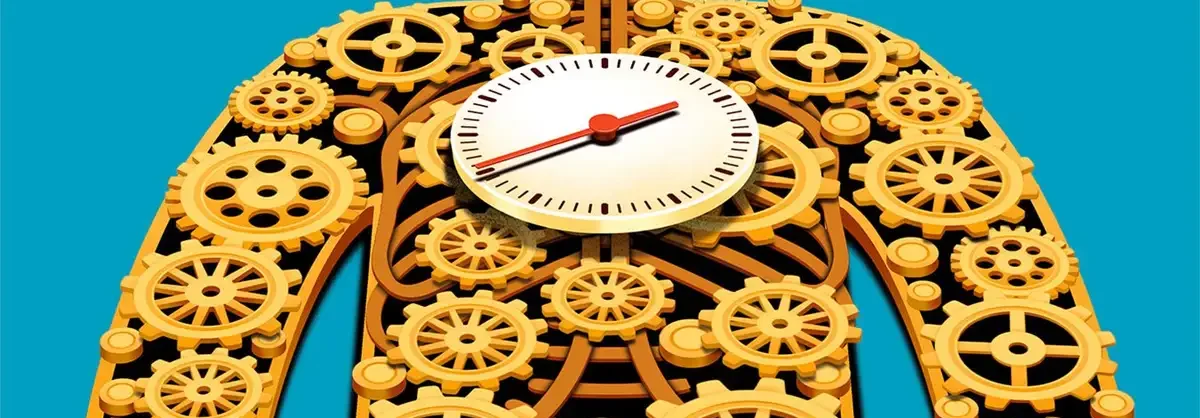
Category: Chrono-Nutrition and Meal Timing While light is the primary regulator of our master clock in the brain, our peripheral organs—like the liver, stomach, and pancreas—have their own internal clocks that respond primarily to food intake. This is the foundation of “chrono-nutrition.” When we eat at erratic times or consume …
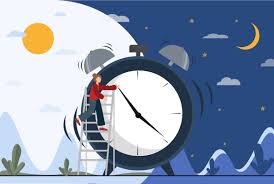
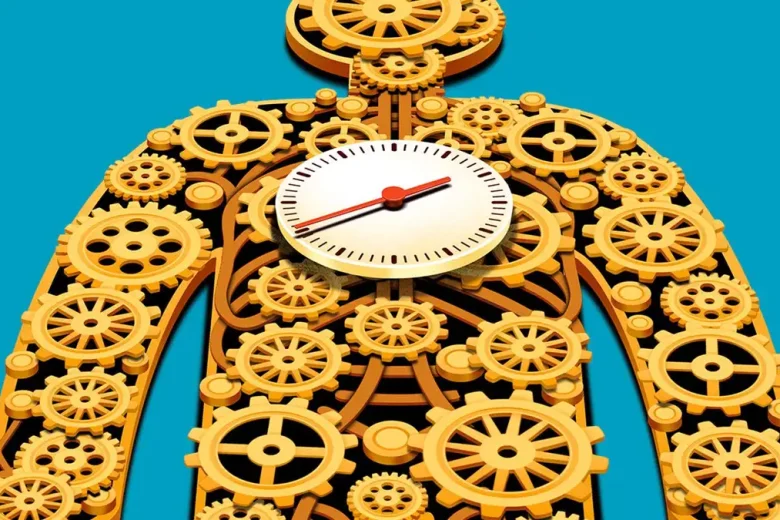
The Rhythm of Consistency: Building a Schedule for Natural Energy
Category: Rhythmic Lifestyle Habits and Routine Stability is the language of the human biological clock. Our bodies crave predictability because it allows them to pre-emptively prepare for upcoming tasks, such as releasing digestive enzymes before a meal or lowering body temperature before sleep. When our daily schedule fluctuates wildly—a phenomenon …
Harnessing the Sun: How Light Management Resets Your Internal Clock
Category: Biological Rhythms and Light Exposure The most powerful “zeitgeber”—or time-giver—in the human environment is light. Our eyes contain specialized cells that don’t just help us see, but specifically track the movement of the sun to tell the brain what time it is. In the modern world, where we spend …